Integrated Programs Providing Wraparound Support for Students and Communities
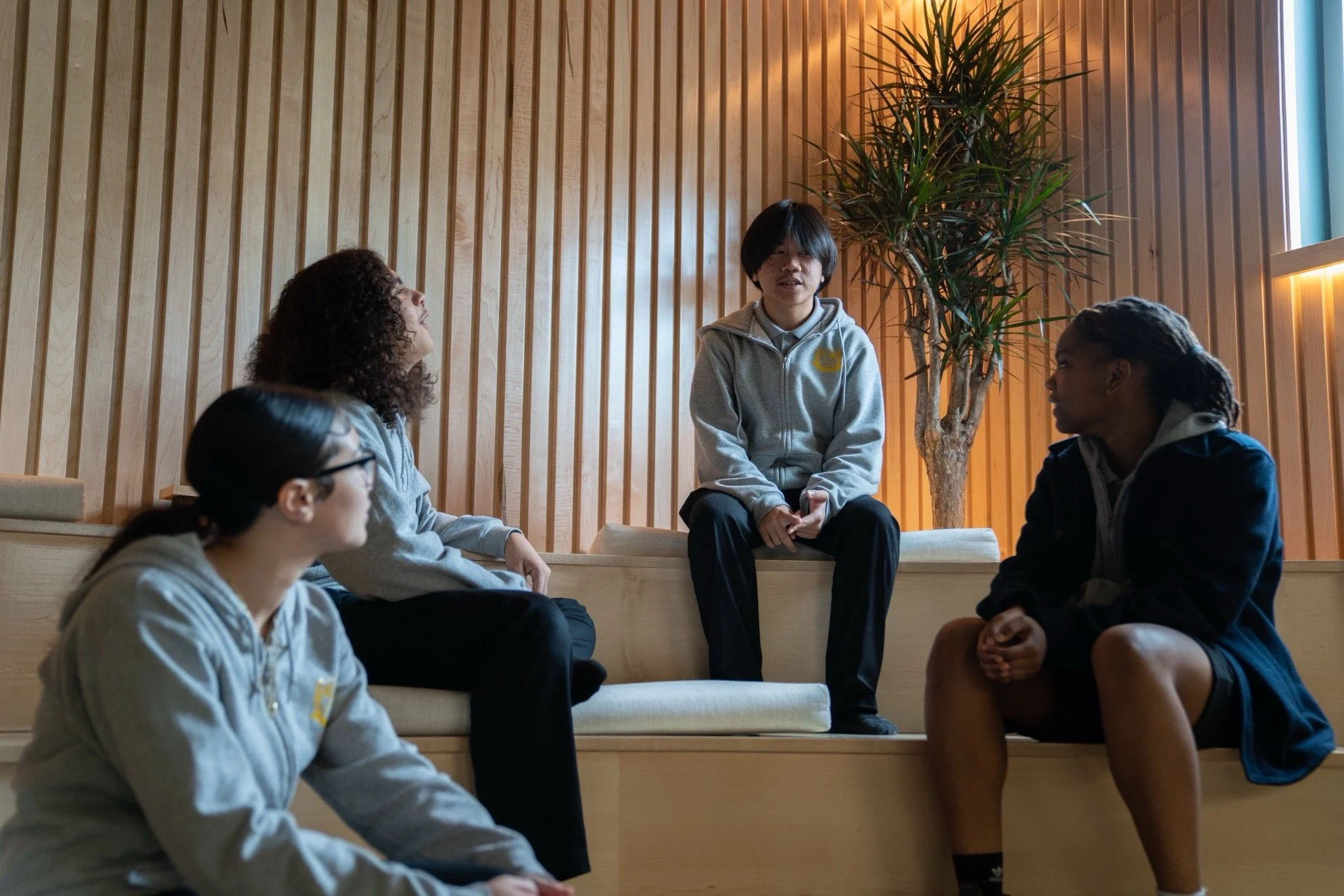
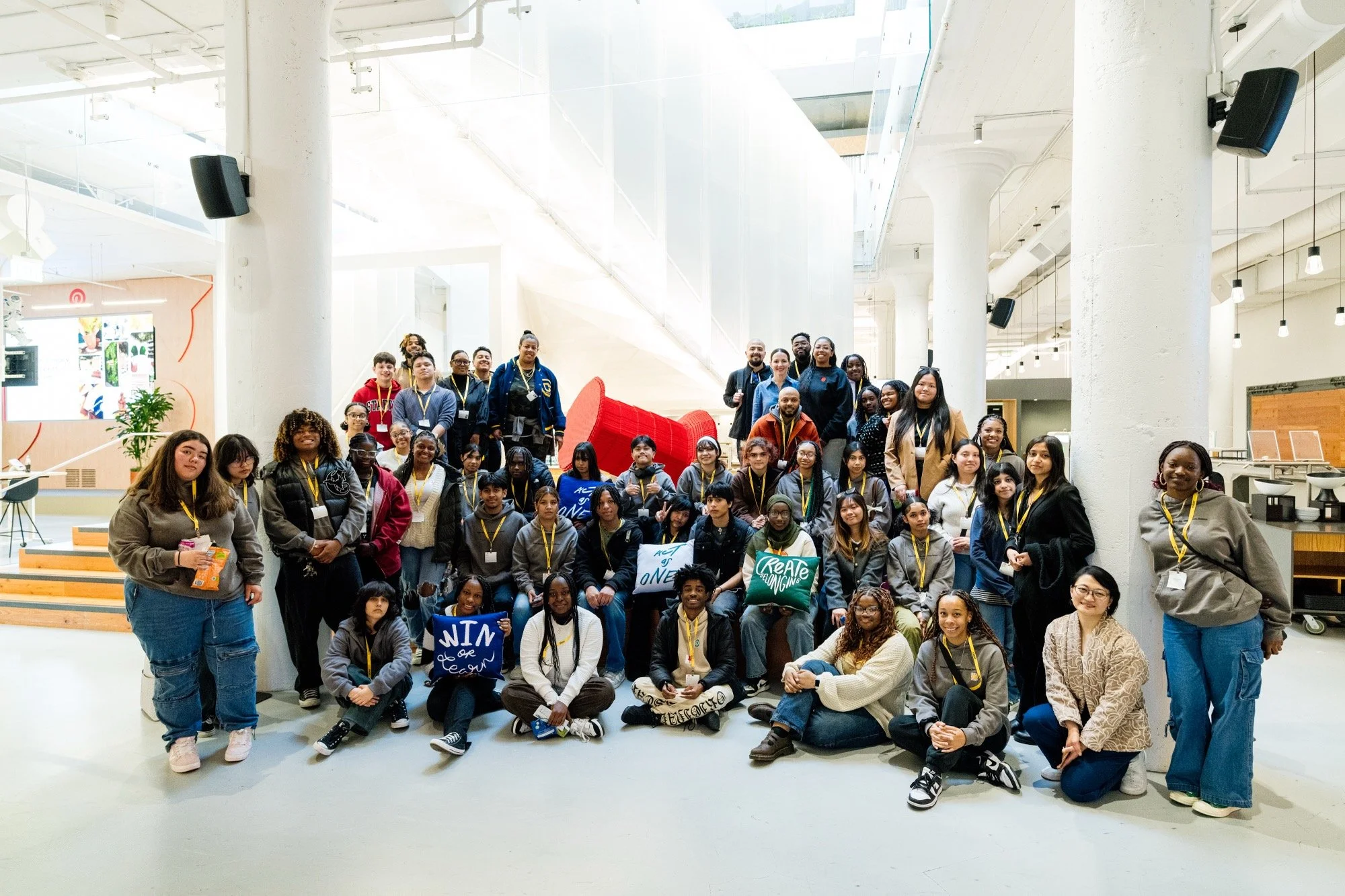
Our Own delivers integrated school and community based programs that provide wraparound support and build systems of care for young people. Through long term partnerships, our work operates across multiple sites and settings, supporting students consistently across mental health and emotional wellbeing, movement and physical wellness, mentorship and workforce development, and environment and spatial integration. This coordinated approach allows our programs to scale while maintaining consistency, quality, and measurable outcomes.
Restorative Student and Truancy
Our student diversion and truancy programming is designed to reengage students by addressing the underlying social, emotional, and environmental factors that contribute to chronic absenteeism, conflict, and disengagement. This work prioritizes student needs and focuses on building safe, supportive school environments through restorative and relationship based approaches rather than punitive discipline. Aligned with county and school based diversion frameworks, programming integrates restorative practices, outreach and engagement, opportunities for empathy, conflict mediation, and individualized student support. Community based staff are embedded directly on school campuses to provide consistent presence, proactive intervention, and trusted relationships with students, families, and school staff.
A core focus of this work is proactive conflict resolution and de escalation. Students are supported in navigating challenges through restorative conversations, mediation, and skill building that strengthen emotional regulation, accountability, and problem solving. By intervening early and responding to behavior within a system of care, we reduce reliance on suspensions, expulsions, citations, and other exclusionary practices.
This programming contributes to improved school climate by fostering trust, empowerment, collaboration, and community. By integrating community resources into the school environment, we support positive relationships, enhance safety, and strengthen student engagement. Diversion and truancy support is embedded within a broader continuum of care that addresses social, emotional, and academic needs, helping students reconnect to school, maintain attendance, and build pathways toward long term success.
Sport & Play and Recovery
Movement is a core mental health strategy, not an add on. Our programming integrates movement, sport, play, and recovery into the school day to support focus, confidence, and overall physical wellbeing. By creating consistent opportunities for students to move their bodies in structured and unstructured ways, we help normalize physical activity as part of everyday school life.
Students engage in sport based experiences, active play, and recovery practices that build physical literacy, coordination, and body awareness. These experiences promote healthy habits, emotional regulation, and long term wellness, while also fostering joy, connection, and confidence. Our approach recognizes sport and play as powerful tools for engagement and belonging, supporting both mental and physical health over time.
Workforce & Economic Development
Our workforce development programming connects wellness to real world opportunity by helping students understand how their habits, skills, and interests translate into future pathways. Through mentorship, exposure, and applied learning experiences, students build the confidence and readiness needed to navigate education and work beyond the classroom.
Programming emphasizes skill building, self awareness, and consistency, with opportunities for career exploration, postsecondary exposure, and workforce aligned learning. We support students through key transitions, including the move into college, by providing guidance, mentorship, and continued connection as they navigate new academic and personal demands. This ongoing support helps students build stability, persistence, and a sense of belonging beyond high school.
By integrating workforce development and college support into our broader wellness model, we help students develop practical skills such as communication, accountability, and goal setting, while reinforcing how wellbeing supports long term success. Our approach is designed to sustain progress over time, supporting students as they move from school to college, careers, and community life.
Financial Literacy and Economic Readiness
Our financial literacy programming supports students in building healthy, informed relationships with money by connecting financial decision making to emotional wellbeing, daily habits, and long term goals. Rooted in our mental health curriculum, this work acknowledges that financial stress, avoidance, and misinformation often begin early and are shaped by lived experience, culture, and access.
Through practical learning, guided reflection, and real world application, students develop the knowledge, confidence, and self awareness needed to manage money responsibly. Programming addresses both the emotional and technical sides of financial decision making, helping students understand not just how money works, but how their choices, habits, and beliefs influence financial outcomes.
This programming supports high school and college students as they navigate key transitions, increasing independence, and real financial responsibility. By integrating financial literacy into our broader systems of care, we help students build stability, reduce stress, and strengthen the foundation for long term opportunity, persistence, and economic mobility.
RUN UP™
RUN UP is an Our Own initiative led by high school students in Los Angeles that uses running and physical activity as tools to promote access, wellness, and opportunity. The program focuses on breaking down barriers and expanding pathways for Black and Latinx youth to engage in long distance running and movement based sport.
Run Up integrates running with wellness, culture, and social emotional learning to create a holistic experience that supports both athletic development and personal growth. Through collective training principles, health and wellness education, data informed insights, mentorship, and exposure to higher education pathways, students build skills that extend beyond the track.
Beyond sport, Run Up is designed to support the whole student. Our approach merges movement with wellness practices to optimize performance, support recovery, and strengthen mental focus both on and off the track. By improving access to training, recovery, and supportive resources, Run Up helps reduce disparities and expand opportunity for students in under resourced communities.
Food Access & Nutritional Health
Environment plays a critical role in how students feel, focus, and engage. Our work recognizes that space itself can either support regulation and belonging or create additional barriers. Through environment and spatial integration, we design and activate spaces that reinforce care, consistency, and wellbeing as part of everyday school and community life.
Our approach centers trauma informed design principles that prioritize emotional safety, functionality, and accessibility. Wellness spaces, movement areas, and supportive environments are intentionally integrated with programming so students have places to regulate, reset, and reconnect throughout the day. These spaces are not treated as separate or special use areas, but as extensions of the systems of care surrounding students.
By aligning physical environments with mental health, movement, mentorship, and workforce development programming, we create cohesive ecosystems that support students over time. Environment and spatial integration strengthens the impact of our work by ensuring that the spaces students occupy reflect the same values, consistency, and support embedded in our programs.
Maternal Health and Family Wellbeing
Our maternal health work recognizes the critical role that caregiver wellbeing plays in child development, student stability, and long term outcomes. Maternal mental health, physical health, and access to care directly influence family systems, early childhood development, and the conditions students bring with them into school environments.
Programming supports mothers and caregivers through education, connection to resources, and trauma informed wellness practices. This includes attention to perinatal and postpartum mental health, stress management, and access to culturally responsive care and community based support.
Maternal health is integrated into our broader systems of care approach, acknowledging that student wellbeing does not exist in isolation. By supporting caregivers alongside students, we strengthen family stability, reduce stressors that impact learning and behavior, and contribute to healthier outcomes across generations.
Design & Build
Environment plays a critical role in how students feel, focus, and engage. Our work recognizes that space itself can either support regulation and belonging or create additional barriers. Through environment and spatial integration, we design and activate spaces that reinforce care, consistency, and wellbeing as part of everyday school and community life.
Our approach centers trauma informed design principles that prioritize emotional safety, functionality, and accessibility. Wellness spaces, movement areas, and supportive environments are intentionally integrated with programming so students have places to regulate, reset, and reconnect throughout the day. These spaces are not treated as separate or special use areas, but as extensions of the systems of care surrounding students.
By aligning physical environments with mental health, movement, mentorship, and workforce development programming, we create cohesive ecosystems that support students over time. Environment and spatial integration strengthens the impact of our work by ensuring that the spaces students occupy reflect the same values, consistency, and support embedded in our programs.